The Sulphur Miners of Kawah Ijen, Indonesia




“Scars on My Body”: The Sulfur Miners at Indonesia’s Mount Ijen: published on Inkstick
Mount Ijen is situated in East Java, Indonesia. Daily, hordes of tourists ascend its steep slopes to witness the captivating blue flames emanating from sulfur deposits. One of the few remaining active sulfur mines in the world is situated at Mount Ijen. While its surreal landscapes have fascinated scientists and adventurers for over two centuries, in recent years, the miners themselves have emerged as a contentious tourist draw.
Local miners brave the challenging journey up the volcano to extract sulfur from its crater. This crucial chemical element, essential in numerous global products, wafts from vents near the crater lake.
Manually loading sulfur into their baskets, the miners labInkstickoriously carry their hefty loads on foot. Amidst clouds of toxic sulfur dioxide, causing immediate discomfort to their throats and eyes, the miners work tirelessly without adequate protection, with only a few possessing gas masks.
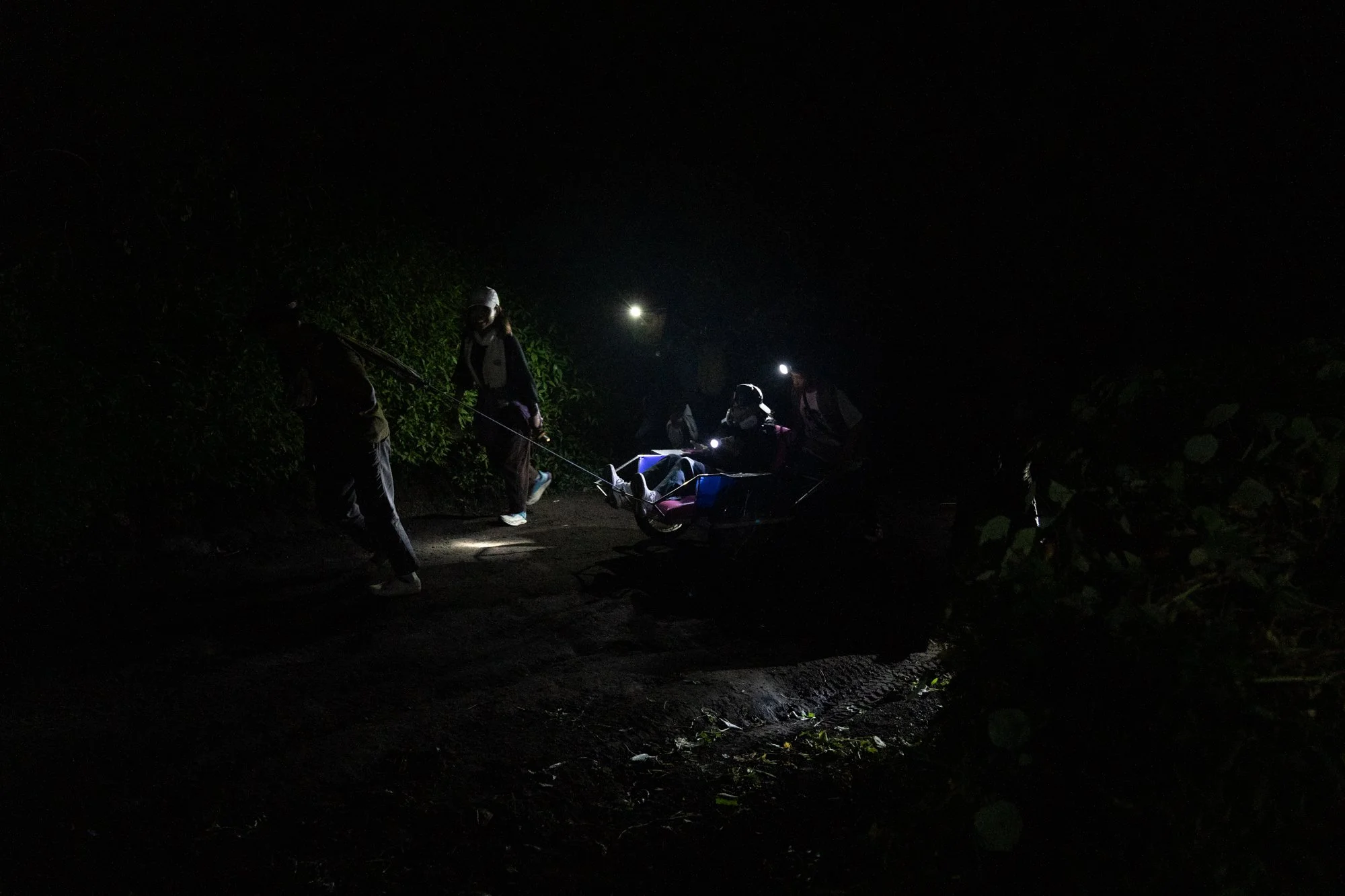
As Dharma, a former miner turned tourism operator, explains, most miners prefer working at night to escape the scorching daytime heat.
Dharma, once a seasoned miner, now immersed in tourism, spent years learning English to transition away from the harsh life of a miner and focus more on tourism. He recounts his three-year stint, making the grueling journey two or three times in a day. The mark on his shoulder is a testament to the burdensome improvised baskets used to transport sulfur.
He explained to me that many locals from the surrounding villages come to Mount Ijen to earn some income. They sleep at the company's shelter and then return to their families. These are people who have been doing this for more than 25 years as their main job.
Dharma spends some days at Mount Ijen working as a guide or helping the tourist with information about the area. He spends around a month in the area and then he goes back to his family for one week and then back again.
-
Tourism in the region has surged, attracting many marveling at the blue flames and the surreal hues of the crater. Numerous hotels arrange volcano tours, typically priced between $20 to $25 per person.
Despite the boost from "blue fire" tourism, mine conditions have scarcely improved since its 1968 inception. The rugged road, rocky stairs, and sporadic wooden railings remain unchanged. Miners, equipped with head torches and minimal protective gear, rely on traditional equipment. Metal rods replace sulfur plates, and flashlights supplant traditional torches, with few wearing masks or boots, instead opting for rubber slippers and wet rags to shield themselves from gas, rocky terrain, and burns. During the high season, the mountain can see more than a thousand tourists per day, often requesting miners for souvenir photos, sometimes offering compensation. Locals carve sulfur trinkets to supplement their income along the trek.
Operated by a Chinese company, the mine lacks permanent staff. Miners decide their daily ascents up the 2769-meter volcano. On average, a miner can carry between 60 to 90 kilograms of sulfur at once, with some of the strongest shouldering over 100 kilograms. They utilize primitive baskets connected by a yoke. The journey entails carrying the load up to 300 meters along a steep mountain path to the crater's edge. Then, they trek an additional three kilometers through the jungle to the collection point at Pos Paltuding. Each miner earns approximately $5 per trip, typically managing just two trips a day.
Unfortunately, this remains one of the highest-paid occupations in the region, which likely explains why miners continue to return despite the harsh conditions.